The Offset-Digital Divide Is Closing
Published 30 June 2026
For decades, the choice between digital and offset printing was straightforward. Short runs went digital. Long runs went offset. Quality-critical work went offset. Variable data went digital. The two technologies occupied distinct territories with a clear border between them. That border is disappearing, and the implications for print buyers are significant.
Where the Line Used to Sit
Traditional digital presses delivered acceptable quality at low volumes but could not match offset for colour consistency, substrate range or unit cost at scale. Offset presses required plate-making, longer setup times and higher minimum quantities, but rewarded volume with lower per-unit costs and superior colour fidelity. The crossover point typically sat around 1,000 to 2,000 units.
What Changed
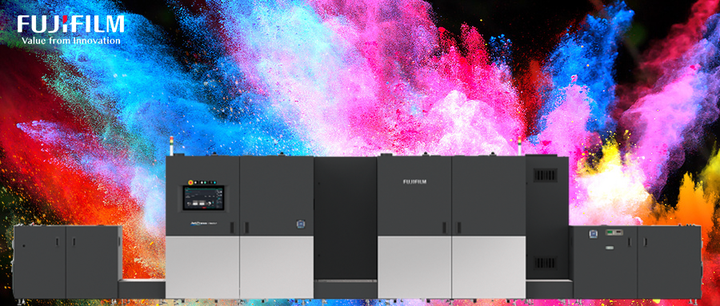
The latest generation of inkjet presses has fundamentally altered the equation. Westman Printing operates Australia's first Fujifilm Jet Press 1160CF, a B2-format inkjet press that delivers offset-equivalent quality at digital speed. The press prints at 3,600 sheets per hour on the same substrates that run through an offset press, with colour accuracy that meets ISO 12647 standards.
What This Means for Print Buyers
The practical impact is flexibility. Jobs that once required commitment to a single long run can now be split into shorter, more targeted runs without sacrificing quality or inflating unit cost beyond reason. Versioning, personalisation and late-stage changes become viable on jobs that would previously have been locked into offset production weeks before delivery.
The Hybrid Production Model
The smartest approach is not to choose one technology over the other. It is to work with a printer that operates both and can allocate each job to the press that delivers the best combination of quality, speed and cost for that specific brief. A hybrid production model gives the print buyer the benefits of both technologies without the compromises of either.