Five Rules for Designing Custom Packaging That Actually Sells
Published 16 June 2026
Packaging design is not graphic design applied to a box. It is a discipline that sits at the intersection of brand strategy, structural engineering, production capability and retail psychology. The packages that sell are the ones designed with all four of those forces in mind. Here are five rules that consistently separate packaging that performs from packaging that merely holds a product.
Rule 1: Design for the Shelf, Not the Screen
A packaging design that looks stunning on a monitor may disappear on a retail shelf. The viewing distance, the lighting conditions, the competing products on either side: these are the real design constraints. Effective packaging design starts with the shelf environment and works backwards to the artwork, not the other way around.
Rule 2: Hierarchy Beats Decoration
The most common packaging design mistake is trying to say too much. A clear visual hierarchy, where the brand, the product name and the key benefit are instantly readable, outperforms a busy design every time. If a customer cannot identify the product and its purpose in under two seconds, the packaging has failed its primary job.
Rule 3: Structural Design Is Part of Brand Design
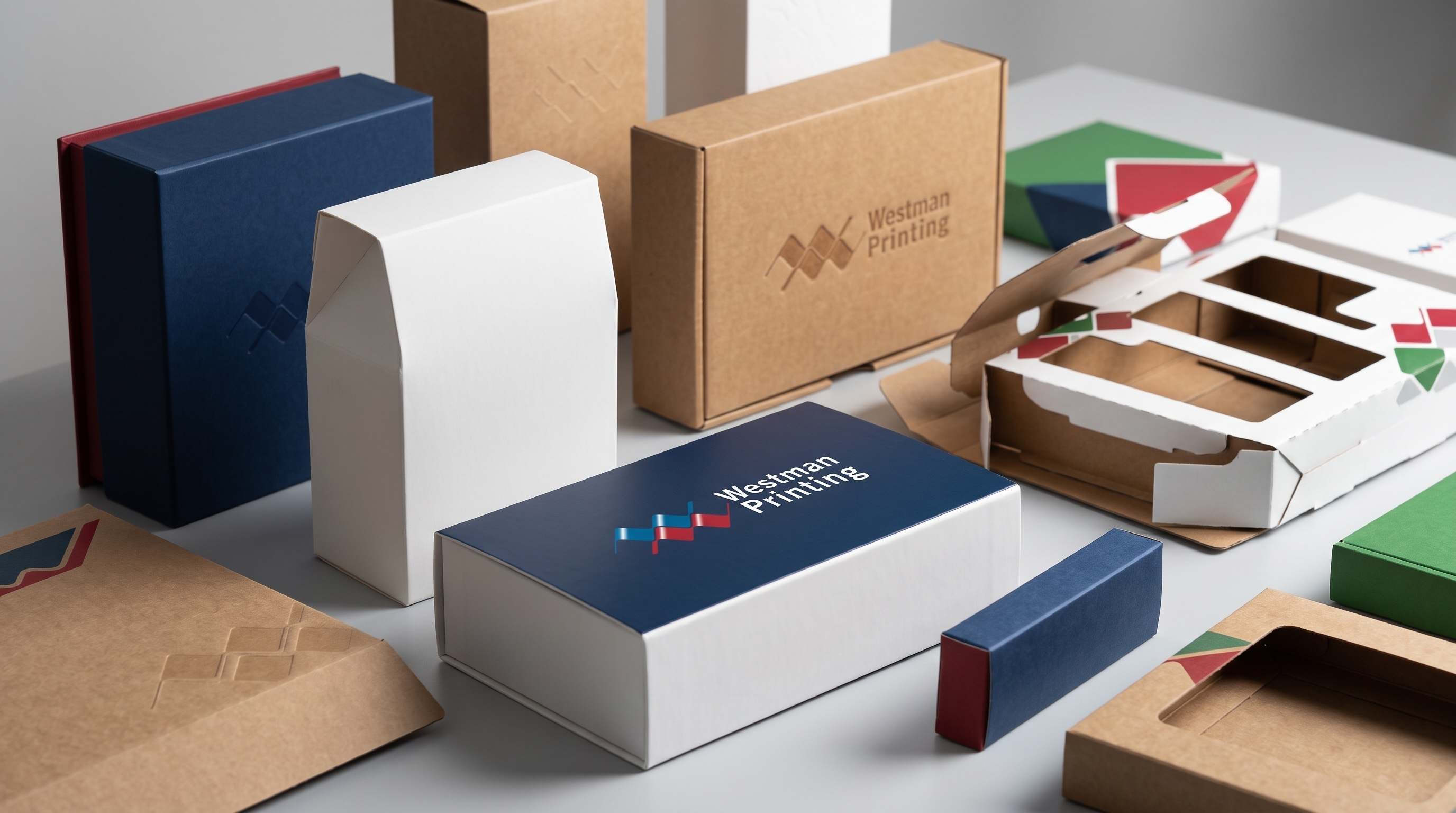
The shape of the package, the way it opens, the materials it uses: these are brand signals as powerful as the printed artwork. A magnetic-close box communicates luxury. A windowed carton communicates transparency. A minimal sleeve communicates confidence. Structural design decisions should be made alongside graphic design decisions, not after them.
Rule 4: Specify for Production, Not for Approval
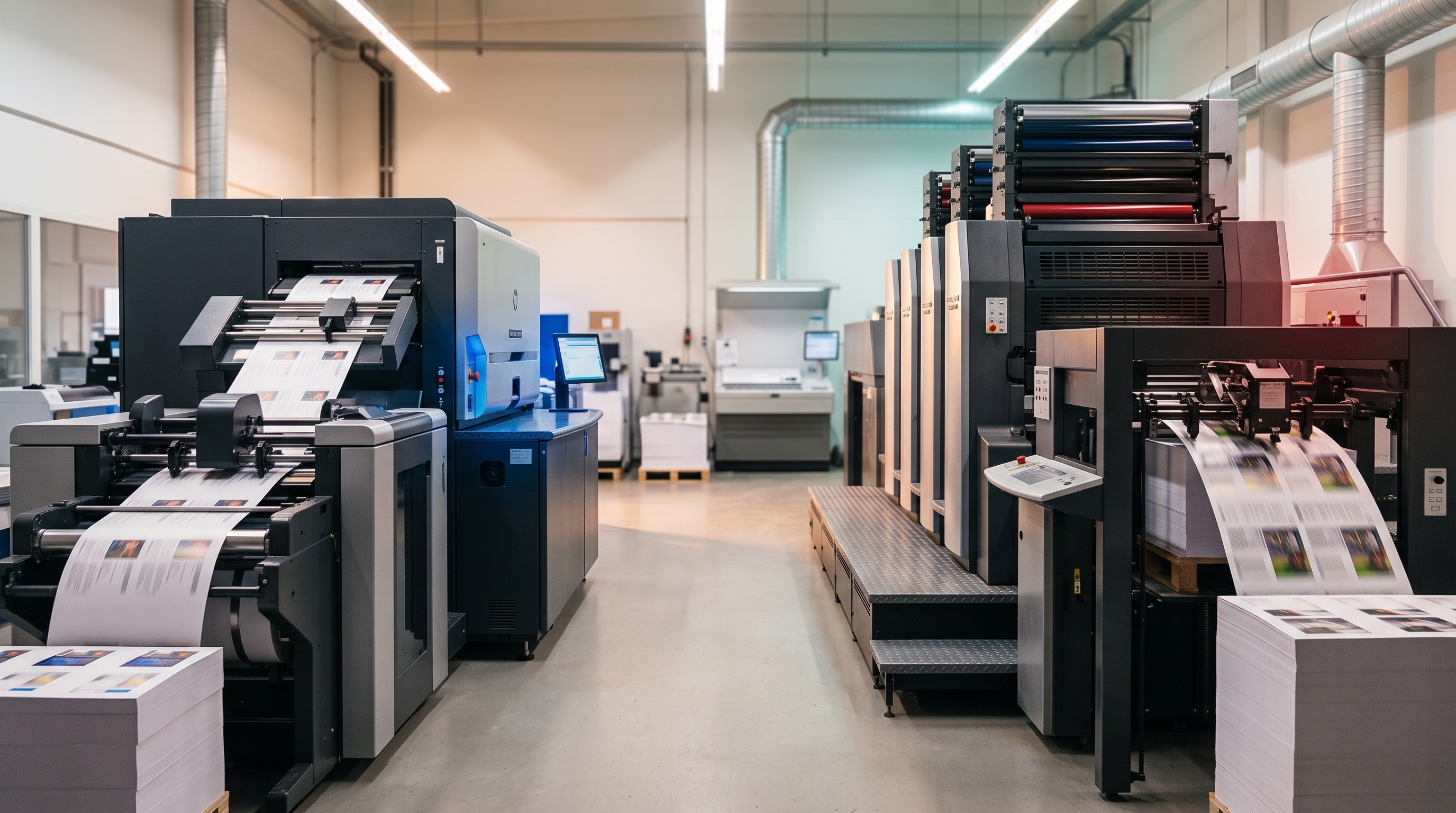
A design that wins internal approval but cannot be produced consistently at scale is a liability. Colour accuracy depends on substrate, ink coverage, coating and press calibration. Designers who understand production tolerances create artwork that reproduces faithfully. Designers who do not create artwork that looks different on every run.
Rule 5: Test With Real Product, Not Mockups
A flat mockup cannot reveal how a package performs in three dimensions. How does it sit on the shelf? How does it feel in the hand? Does the opening mechanism work with gloves on? Physical prototyping with actual product inside is the only reliable way to validate a packaging design before committing to a production run.