The Promotional Items That Actually Drive Business Growth
Published 21 July 2026
Promotional products sit in a unique position in the marketing mix. Unlike digital ads that disappear when the budget runs out, a well-chosen promotional item stays on a desk, in a bag or in a kitchen for months. But not all promotional products earn that place. The difference between a branded item that drives genuine business growth and one that ends up in a landfill within a week is selection, quality and relevance.
Utility Beats Novelty Every Time
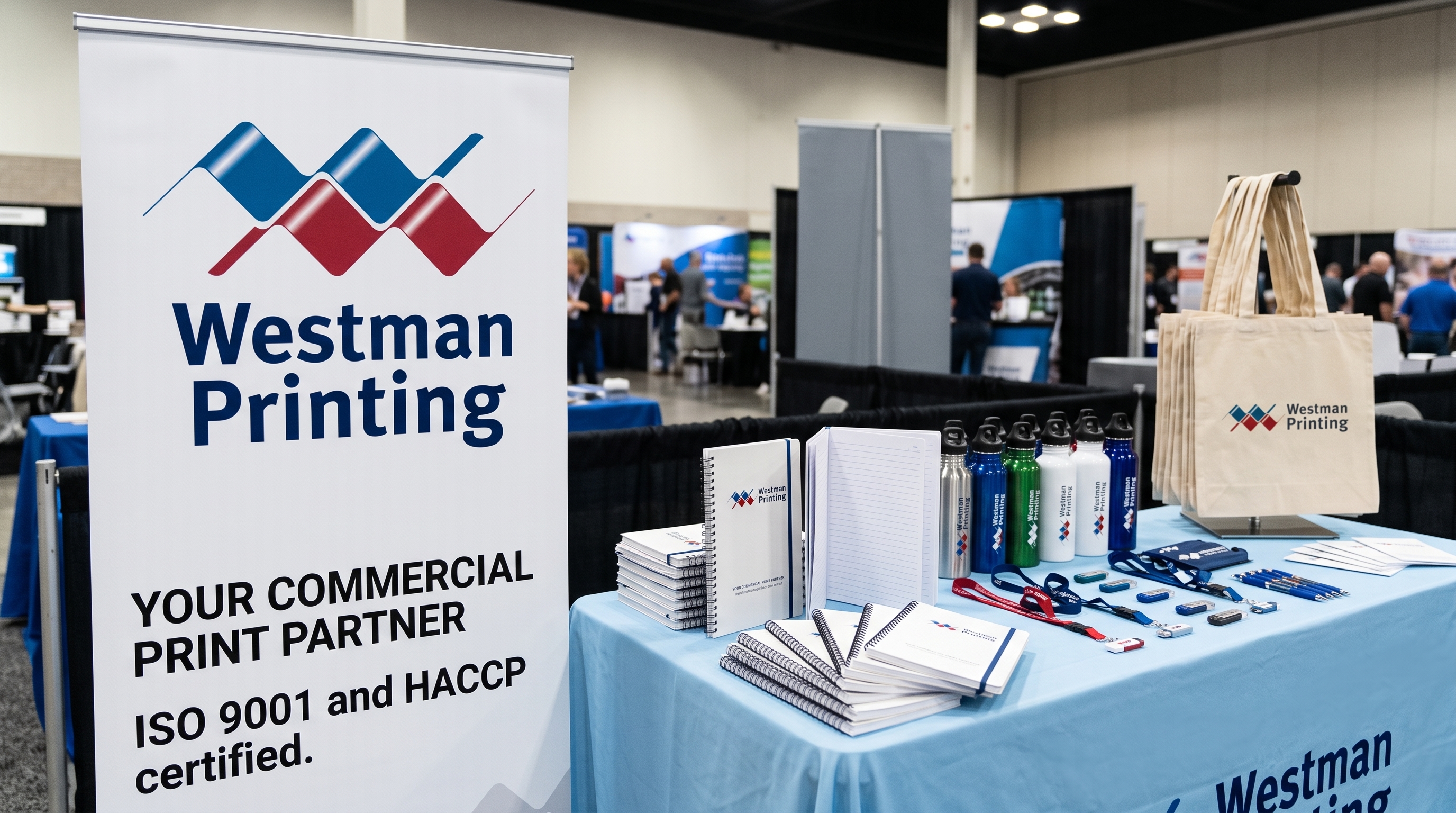
The promotional items that deliver the highest return are the ones people actually use. A quality drink bottle, a sturdy tote bag, a reliable pen: these items earn daily visibility because they solve a small, recurring problem. Novelty items generate a brief moment of amusement and then disappear. Utility items generate impressions every day for months.
Quality Reflects Your Brand
A cheap promotional product does not just fail to impress. It actively damages your brand. When a pen breaks on first use or a bag tears at the seam, the recipient associates that failure with your business. Investing in quality promotional merchandise signals that your brand takes its standards seriously, from the products you sell to the items you give away.
Relevance to Your Audience Matters
The most effective promotional products are chosen with the recipient in mind. A tech company gifting a branded wireless charger demonstrates understanding of its audience. A construction firm handing out branded high-visibility vests shows practical awareness. Relevance turns a promotional item from a generic giveaway into a thoughtful gesture.
Distribution Strategy Is Half the Battle
A brilliant promotional product fails if it reaches the wrong audience. Targeted distribution at trade events, client onboarding kits, and loyalty rewards programs all outperform scattergun giveaways. The goal is to place the item in the hands of someone who will use it and, through use, remember your brand.
Measuring the Return
Promotional merchandise is measurable. Track redemption codes printed on items, survey recipients about brand recall, and monitor new enquiries after distribution events. The data consistently shows that useful, well-targeted promotional items deliver a lower cost per impression than almost any digital channel.