How Mail Fulfilment Services Make or Break a Campaign
Published 19 May 2026
The creative side of direct mail gets the attention. The headline, the offer, the design: these are the elements that win awards and occupy meeting time. But the fulfilment side of direct mail, the part that actually gets the piece into the right letterbox at the right time, is where campaigns succeed or fail. A brilliant mail piece that arrives late, damaged or at the wrong address is worse than no mail piece at all.
What Fulfilment Actually Involves
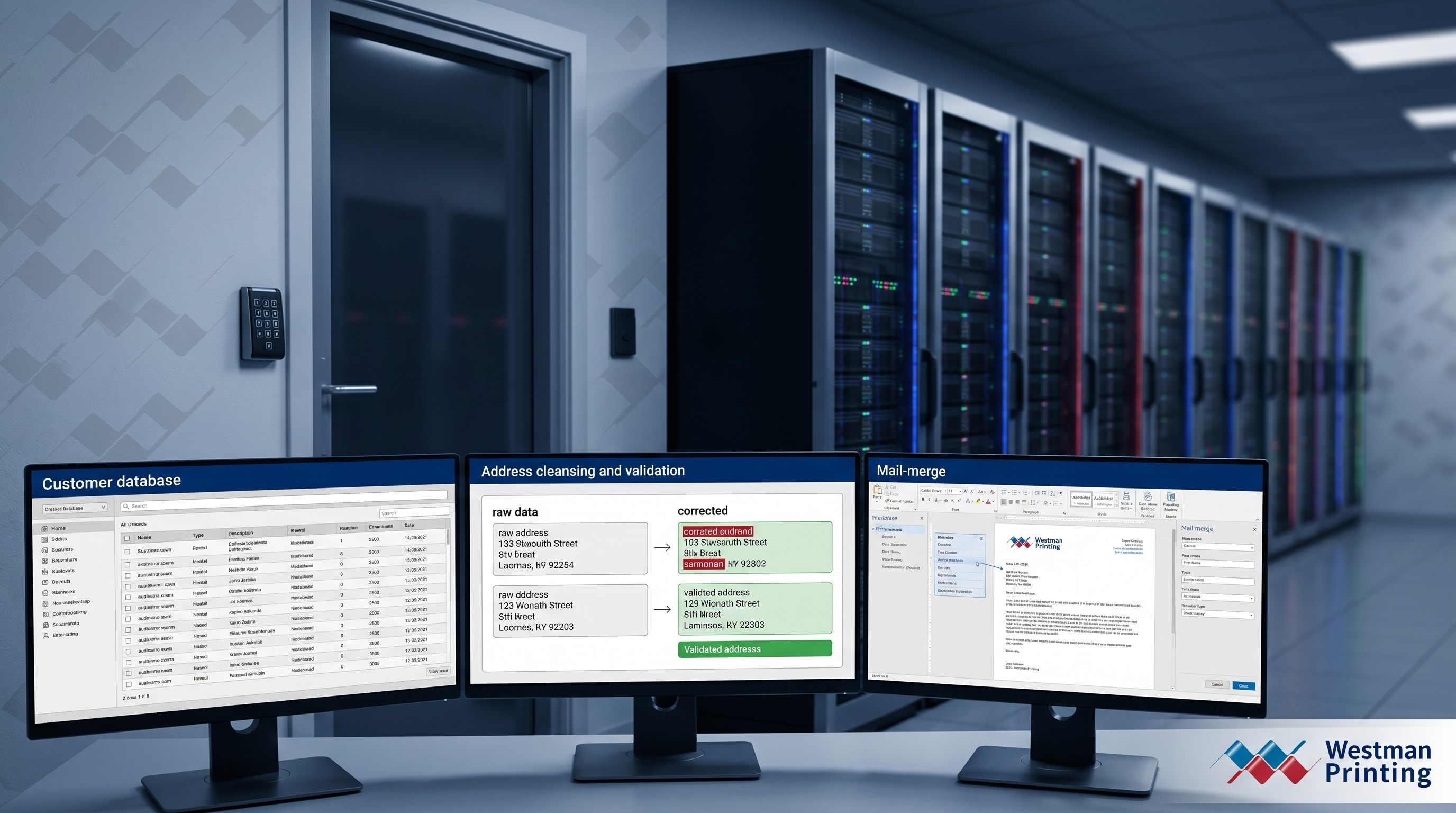
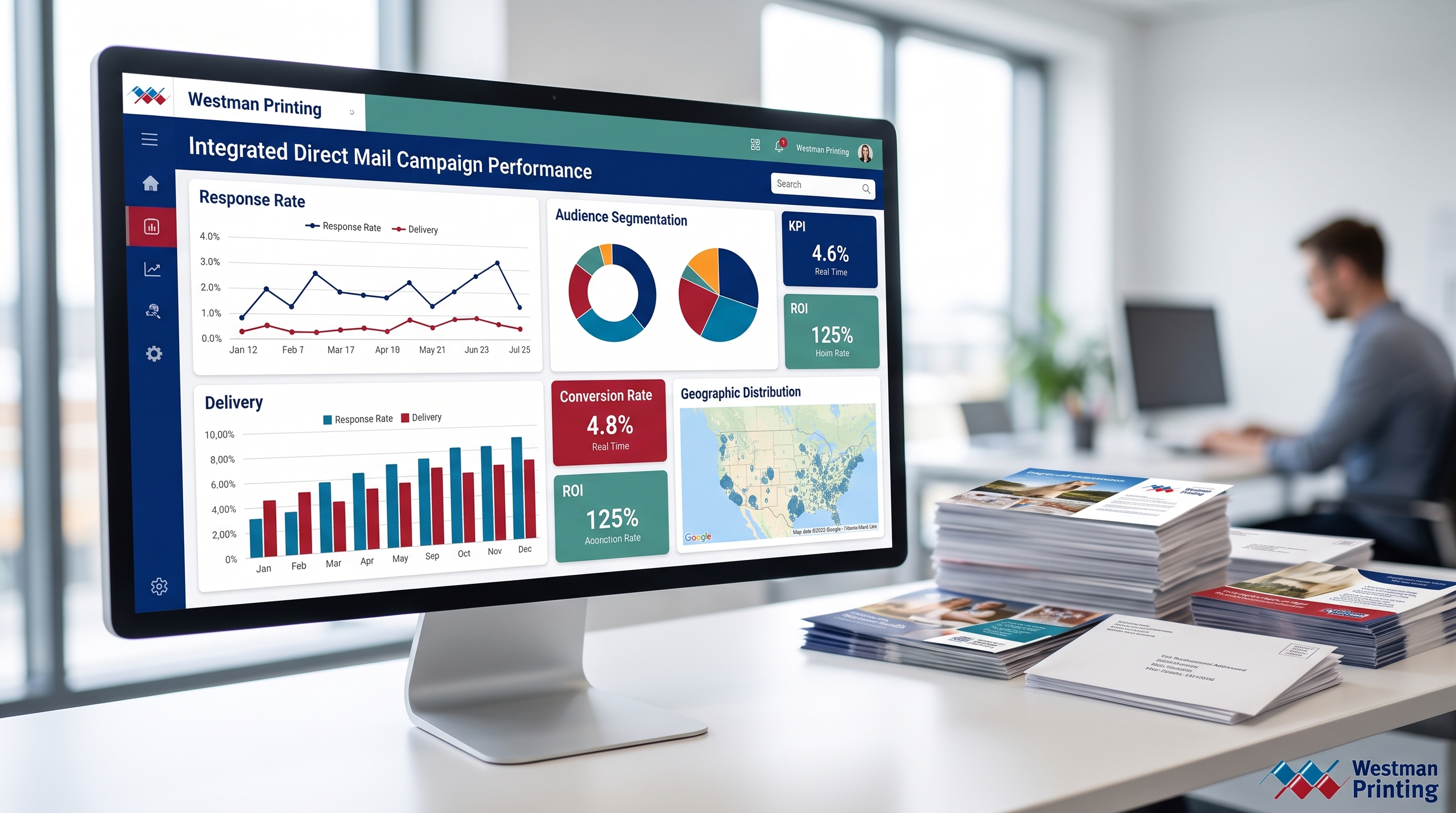
Mail fulfilment is the chain of operations between a finished print file and a delivered mail piece. It includes data processing, address validation, printing, personalisation, inserting, sorting, lodgement and tracking. Each step has the potential to introduce errors, and errors in fulfilment are not forgivable. A misspelled name, a wrong address or a late delivery undermines the entire campaign investment.
Data Quality Is the Foundation
The most common fulfilment failures originate in the data, not on the press. Duplicate records, outdated addresses, formatting inconsistencies and missing fields all create problems downstream. A fulfilment partner that invests in data cleansing, deduplication and address validation before production begins will prevent more campaign failures than any improvement in print quality.
Timing Is Not Negotiable
Direct mail campaigns are almost always time-sensitive. A promotion that arrives after the offer expires is waste. A reminder that arrives before the event it references is confusing. Fulfilment scheduling must account for print production time, personalisation cycles, postal lodgement windows and delivery lead times. Every one of these variables has a tolerance, and a competent fulfilment partner manages them all.
Integration Reduces Risk
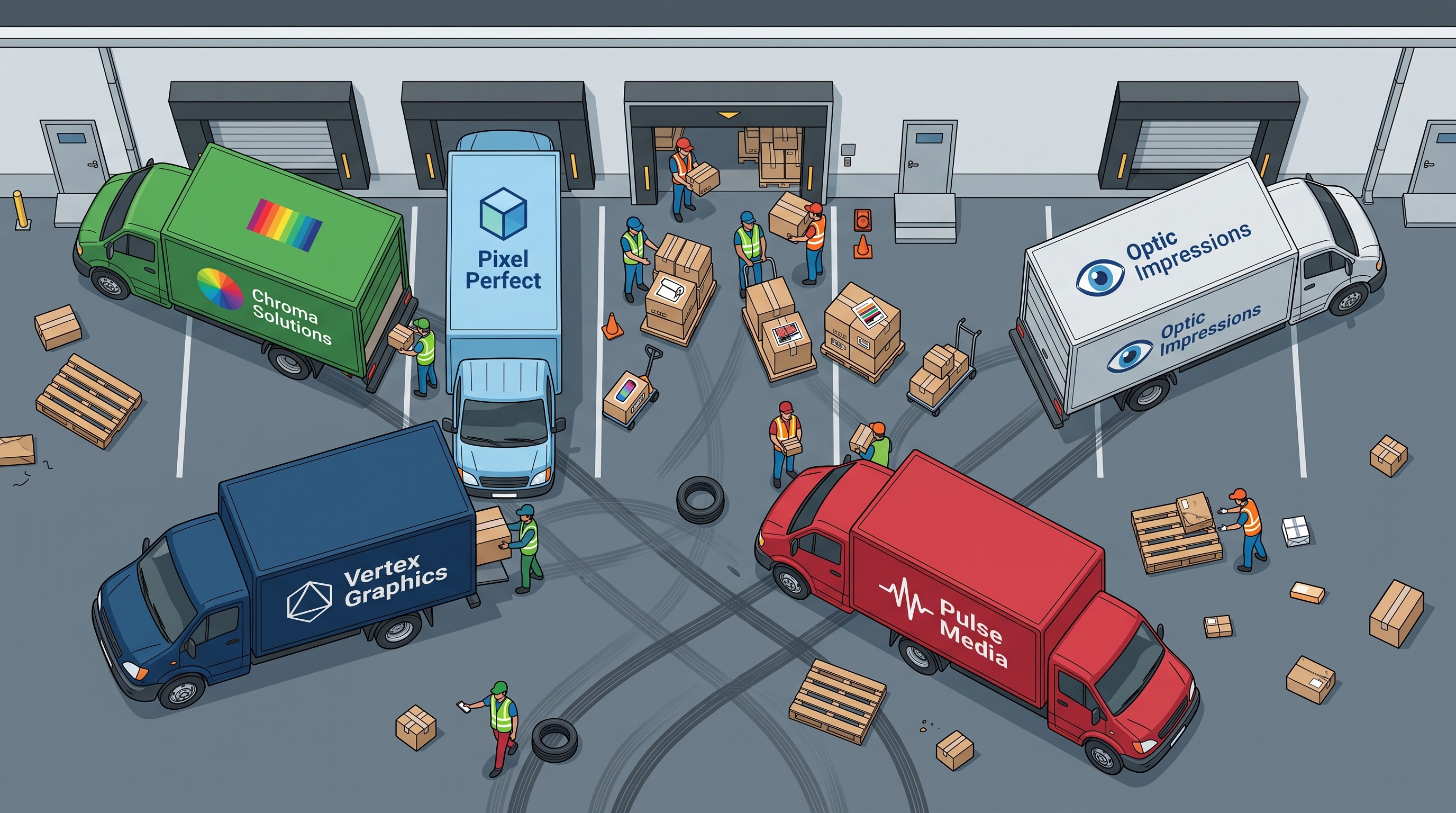
The safest fulfilment model is one where print production and fulfilment happen under the same roof. When the team that prints the mail piece is the same team that personalises, inserts, sorts and lodges it, the handoff risks disappear. There is no courier between printer and mailhouse, no file transfer between systems, no finger-pointing between suppliers when something goes wrong.