Why Data-Driven Campaigns Beat Spray-and-Pray Every Time
Published 15 January 2026
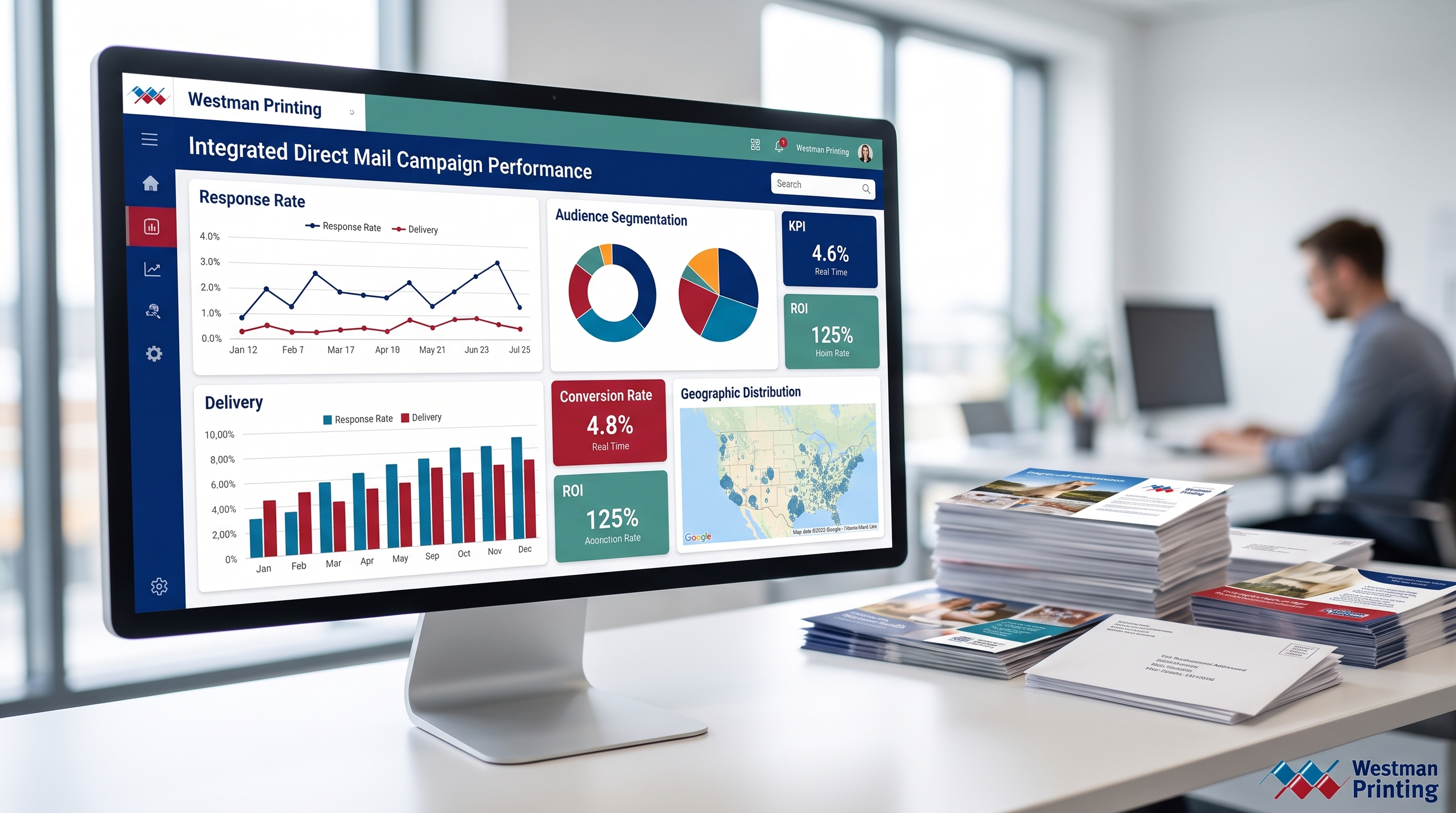
Mass mail campaigns treat every recipient identically. Data-driven campaigns use what you know about each recipient to make the message, the offer and the timing relevant to them individually. The performance difference is not marginal. Data-driven campaigns consistently deliver response rates two to five times higher than untargeted campaigns, at a lower cost per response.
Segmentation Is the Starting Point
The simplest form of data-driven campaigning is segmentation: dividing the audience into groups based on shared characteristics and tailoring the message to each group. Even basic segmentation by geography, purchase history or customer value tier produces a measurable improvement in response rates compared to a single undifferentiated message sent to the entire list.
Personalisation Drives Response
Beyond segmentation, personalisation uses individual-level data to tailor the content of each mail piece. Variable data printing makes this operationally viable at scale. The recipient's name, their nearest store location, their last purchase, a relevant product recommendation: each data point adds relevance, and relevance drives response.
Timing Is a Data Decision
When a mail piece arrives matters as much as what it says. Data-driven campaigns use purchase cycles, renewal dates, seasonal patterns and behavioural triggers to time delivery for maximum relevance. A renewal reminder that arrives two weeks before expiry outperforms one that arrives two months before. The data determines the timing, and the timing determines the response.
Testing Replaces Guessing
Data-driven campaigns are designed to learn. A/B testing of offers, formats, messages and lists produces data that improves every subsequent campaign. The spray-and-pray model cannot learn because it does not differentiate. It sends the same message to everyone and has no way to determine what worked and what did not.
The ROI Case Is Clear
The upfront cost of a data-driven campaign is higher than a mass mail drop. The data processing, the variable content, the segmented production runs: these all add cost. But the cost per response is consistently lower because the response rate is consistently higher. When the objective is measurable return on investment, data-driven always wins.